Data Validation Techniques for Odds Comparison Tools Integrated with Popular Blogging Software for British Punters
Written by Hugo Flores · Sep 1, 2026

Data Validation Techniques for Odds Comparison Tools Integrated with Popular Blogging Software for British Punters
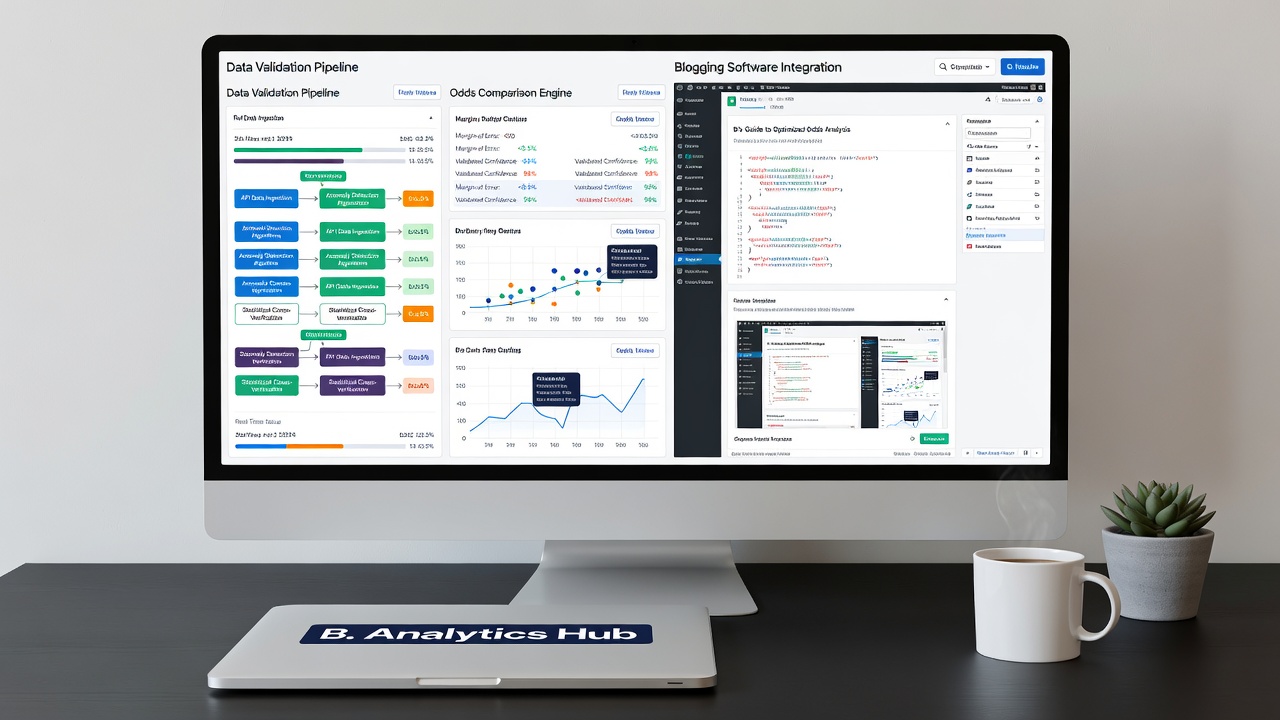
Odds comparison tools that pull live data into popular blogging platforms require robust validation layers to maintain accuracy across feeds from multiple bookmakers, and these systems handle everything from decimal conversions to real-time updates while users in Britain access content through integrated sites. Researchers have documented how validation starts at the ingestion point where incoming API responses undergo schema checks against predefined structures, and this process catches malformed entries before they reach the publishing queue.
Core Validation Methods Applied to Odds Feeds
Techniques such as range verification confirm that displayed probabilities stay within expected bounds for specific markets, while cross-source reconciliation compares values from at least three independent providers and flags discrepancies exceeding a set threshold. Data shows that checksum algorithms applied to each packet detect transmission errors during sync operations between the tool and the content management database, and timestamp validation ensures no stale figures appear on published pages after the feed update cycle completes.
Those who manage these platforms often implement duplicate detection routines that scan for repeated event identifiers across merged datasets, and this step prevents inflated listings that could confuse readers looking for British football or horse racing markets. Experts note that regular expression filters clean textual fields like team names or jockey details, removing special characters that might break rendering in blogging templates.
Integration Points with Blogging Software Ecosystems
Popular platforms allow custom hooks that trigger validation scripts immediately after data import, and developers connect these routines to plugins handling scheduled tasks so that checks run automatically before any post goes live. Observers have seen configurations where middleware layers sit between the odds aggregator and the publishing engine, applying business rules tailored to regional formats such as fractional odds preferred by many UK audiences.
One study revealed that modular validation components can be swapped in without disrupting the core blogging workflow, which keeps maintenance straightforward when new bookmaker APIs enter the ecosystem. Reports released in September 2026 highlight expanded use of machine-assisted anomaly detection that learns typical fluctuation patterns in tennis and rugby markets, allowing the system to surface outliers for manual review rather than rejecting entire feeds outright.
Handling Edge Cases in Multi-Market Comparisons
Validation routines also address currency conversions and margin calculations that vary between operators, running arithmetic consistency tests to confirm that implied probabilities align with quoted prices. People who oversee large deployments report that logging every rejected record creates audit trails useful for tracing feed quality issues back to source providers over time.
Batch processing modes validate historical data imports used for trend articles, applying the same rule sets that govern live content so archives remain reliable for British punters reviewing past performance. Industry reports from the National Institute of Standards and Technology emphasize layered defenses that combine syntactic checks with semantic rules derived from betting market conventions, and these guidelines have been adapted across European content networks serving similar audiences.
Monitoring and Continuous Improvement Cycles
Automated alerts notify administrators when validation failure rates exceed baseline metrics collected over rolling seven-day windows, and this feedback loop supports rapid adjustments to rule parameters when market conditions shift during major tournaments. Data from Canadian regulatory analyses shows that consistent application of these techniques reduces downstream correction needs by measurable percentages in comparable data-heavy publishing environments.
Additional layers include geographic filtering that verifies event locations match expected jurisdictions, preventing accidental inclusion of restricted competitions within UK-focused articles. Those maintaining the tools often schedule quarterly reviews of validation thresholds against performance statistics gathered from actual feed traffic.
Conclusion
Effective data validation for odds comparison tools embedded in blogging software rests on a combination of structural checks, cross-referencing, and ongoing monitoring that together preserve feed integrity for readers across Britain. Implementation varies by platform architecture yet follows common patterns documented in technical literature and regulatory guidance from multiple jurisdictions, ensuring published comparisons reflect accurate, timely information drawn from diverse sources.