Navigating Plugin Compatibility Hurdles When Displaying Comparative Event Probabilities on UK-Focused Wagering Advice Platforms Built with Open-Source Blogging Tools
Written by Frankie Carter · Sep 29, 2026
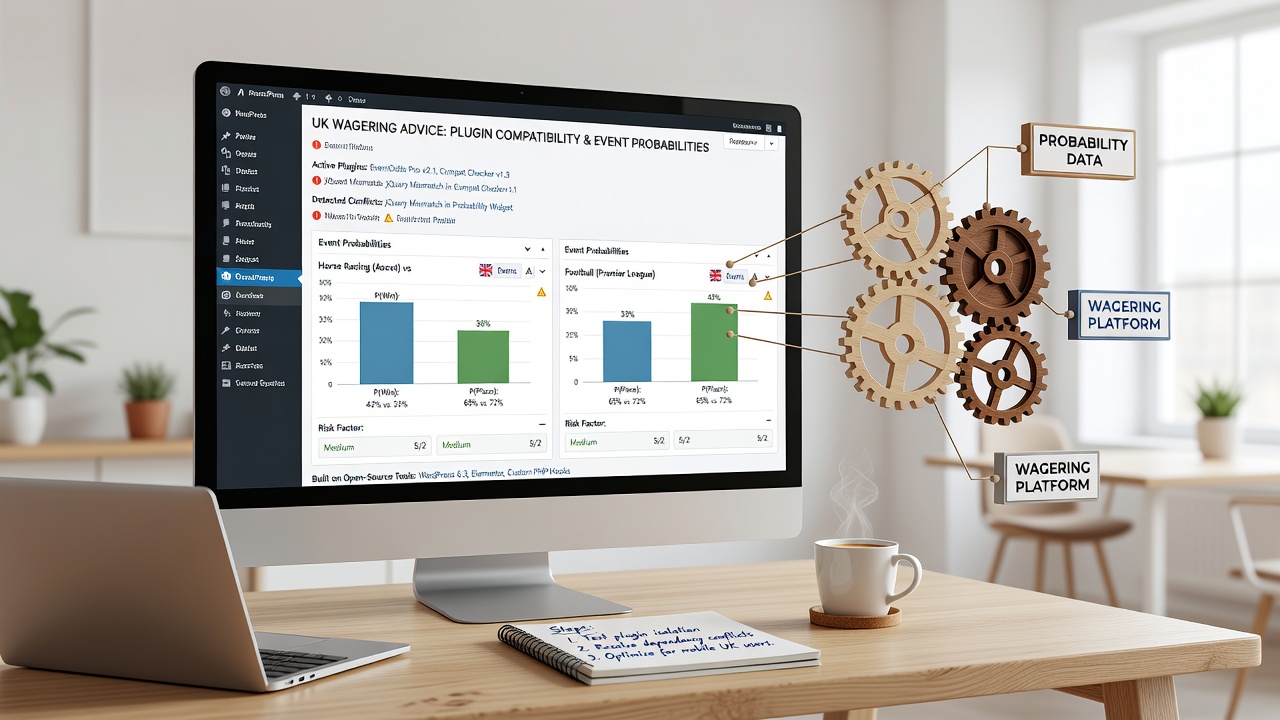
Navigating Plugin Compatibility Hurdles When Displaying Comparative Event Probabilities on UK-Focused Wagering Advice Platforms Built with Open-Source Blogging Tools
Developers working with open-source blogging tools frequently face challenges when integrating multiple plugins to display comparative event probabilities on UK-focused wagering advice platforms, and these issues often stem from overlapping dependencies that disrupt real-time data feeds while creating rendering errors across different browser environments.Core Compatibility Challenges in Probability Display Systems
Plugins designed for caching, JavaScript optimization, and dynamic content loading commonly interfere with scripts that pull comparative event probabilities from external sources, leading to delayed updates or incomplete data visualizations that affect user experience on sites built with tools like WordPress. Observers note that conflicts arise particularly when one plugin attempts to minify code while another requires full script execution for accurate probability comparisons, and this tension becomes evident during high-traffic periods when simultaneous queries overload shared resources.
Those who maintain such platforms report that database query overlaps represent another frequent hurdle, since plugins handling event data often compete for the same tables without proper namespace isolation, which results in corrupted outputs for comparative displays involving equine and football events. Research indicates that version mismatches between core blogging software and third-party extensions account for a significant portion of these disruptions, especially when updates roll out asynchronously across plugin ecosystems.
Addressing Real-Time Data Integration Barriers
Effective navigation of these hurdles begins with systematic testing protocols that isolate plugin interactions before deployment, allowing administrators to identify which extensions support or hinder the smooth flow of probability data across UK wagering networks. Experts have observed that using sandbox environments reveals latent issues such as AJAX conflicts, where multiple plugins attempt simultaneous server calls without coordinated queuing, and this setup helps prevent live site downtime.
Platforms that incorporate modular code structures tend to manage these integrations more reliably because they permit selective activation of features based on specific content needs, while maintaining separation between display logic and data retrieval layers. Data from the Canadian Digital Technology Agency shows that structured testing reduces integration failures by measurable margins in similar open-source deployments.
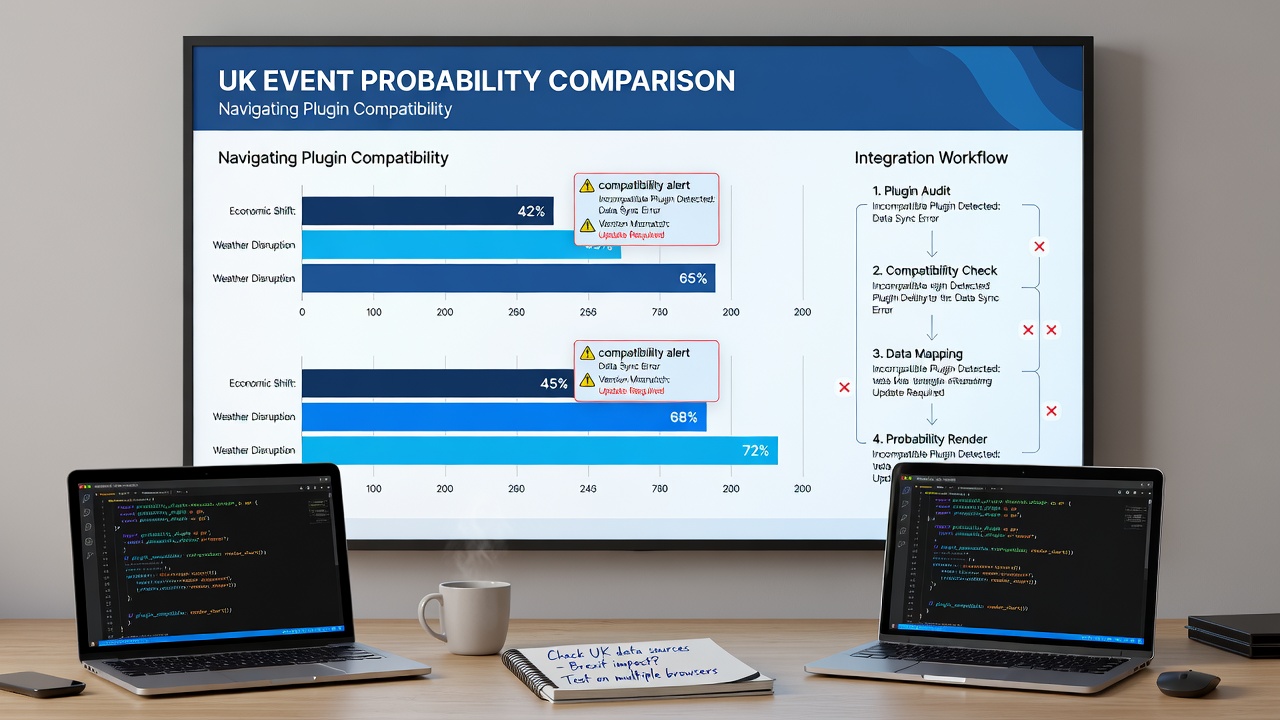
Practical Approaches to Plugin Management
Administrators often implement custom hooks and filters within the blogging tool framework to mediate between competing plugins, ensuring that comparative event probability modules receive priority access to necessary resources without triggering broader system instability. This method works well because it allows targeted overrides that preserve the functionality of security and performance extensions while focusing on accurate data presentation.
Case studies from various sites demonstrate that regular audits of plugin changelogs help anticipate conflicts before they surface in production, particularly when new versions introduce altered API calls that clash with existing probability display scripts. Those who've studied these patterns know that prioritizing lightweight alternatives for non-essential functions frees up capacity for the more demanding comparative tools.
September 2026 brings scheduled updates to several popular open-source components, and observers expect these changes to introduce revised dependency requirements that could either alleviate or exacerbate existing compatibility gaps depending on how plugin developers align their releases with the core platform timeline.
Long-Term Strategies for Stable Deployments
Building redundancy into the data pipeline allows platforms to switch between primary and backup sources for event probabilities when primary plugins encounter temporary incompatibilities, maintaining continuity for users seeking comparative insights on UK events. Industry reports from the World Wide Web Consortium accessibility guidelines emphasize the value of such layered approaches in preserving content integrity across diverse technical setups.
Documentation of each plugin's resource footprint further supports ongoing maintenance efforts because it provides a reference point for troubleshooting when new extensions enter the environment. Teams that adopt this practice find that proactive mapping of dependencies leads to fewer emergency interventions over time.
Conclusion
Successful management of plugin compatibility in these environments relies on methodical evaluation, strategic code adjustments, and awareness of upcoming software changes that influence data display reliability. Platforms following these steps achieve more consistent performance when presenting comparative event probabilities to their audiences.