Strategies for Secure Data Exchange Between Sports Event Providers and UK Betting Content Sites
Written by Frankie Carter · Nov 10, 2026

Strategies for Secure Data Exchange Between Sports Event Providers and UK Betting Content Sites
Secure data exchange between sports event providers and UK betting content sites relies on layered technical measures that protect real-time feeds while meeting regulatory demands, and these approaches have evolved as data volumes increased across equine and football events. Organizations handle sensitive probability information through structured protocols that minimize exposure during transmission, and the process starts with mapping data flows from source systems to content platforms.
Core Technical Frameworks for Data Protection
Encryption serves as the foundation, with TLS 1.3 protocols securing channels between providers and sites so that interception attempts face strong barriers during transit. Researchers at various institutions have documented how AES-256 standards encrypt stored datasets, while key rotation schedules reduce risks associated with long-term exposure. API gateways enforce rate limiting alongside these measures, and this combination prevents overload scenarios that might otherwise compromise integrity.
Token-based authentication systems replace older password methods in many setups, and OAuth 2.0 implementations allow granular permissions that limit access to specific data subsets. Those managing integrations often deploy mutual TLS certificates to verify both endpoints, and this dual verification step adds resilience against spoofing attempts common in high-traffic environments.
Regulatory Alignment and Compliance Measures
UK operations must align with GDPR requirements that govern personal data handling, while broader cybersecurity expectations draw from frameworks developed by bodies such as ENISA. Data minimization principles guide collection practices, and anonymization techniques strip identifiers before feeds reach content sites. Regular audits verify that these controls remain effective, and third-party assessments provide independent validation of the processes.
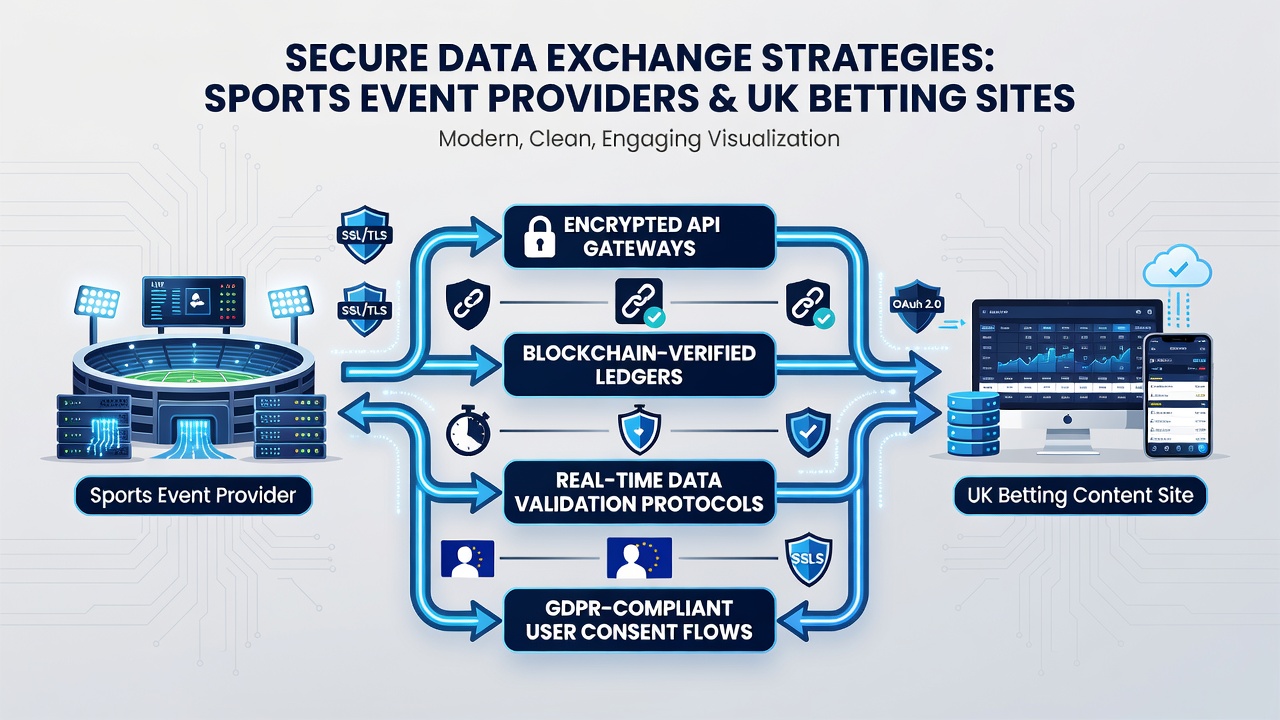
By late 2026, updates to certain cross-border data transfer rules are scheduled for implementation, and providers have begun adjusting their architectures accordingly. Canadian and Australian regulatory models offer comparative insights that some UK teams reference during planning, particularly around breach notification timelines and consent management.
Operational Practices and Monitoring
Continuous monitoring tools track anomalies in data patterns, and automated alerts flag unusual access volumes before they escalate. Incident response plans outline clear escalation paths, and these documents get tested through tabletop exercises that simulate provider-site communication failures. Logging practices capture sufficient detail for forensic review yet avoid unnecessary retention that could increase storage risks.
Segmentation of networks isolates betting content systems from broader corporate environments, and this isolation limits lateral movement in the event of a breach. Studies from research groups indicate that organizations applying zero-trust principles report fewer successful intrusions, although implementation varies based on existing infrastructure.
Integration Challenges and Solutions
Legacy systems at some sports providers require middleware layers that translate older formats into modern secure APIs, and these bridges undergo rigorous testing before deployment. Version control for data schemas prevents mismatches that might disrupt live feeds, and rollback procedures allow quick restoration if issues arise during updates. Collaboration between technical teams from both sides ensures that encryption standards remain synchronized across the exchange points.
Training programs for staff emphasize recognition of phishing attempts targeting integration credentials, and simulated exercises reinforce these skills on a recurring basis. Documentation of all exchange points supports troubleshooting while maintaining an audit trail that regulators can review when needed.
Conclusion
Effective strategies combine encryption, authentication controls, regulatory compliance, and ongoing monitoring to protect data moving between sports event providers and UK betting content sites. These elements work together to maintain confidentiality and availability, and continued adaptation to emerging standards supports long-term operational stability across the sector.